
Everything I Know About Residential Landscaping in Seattle, WA
Residential landscaping in Seattle, WA, involves planning and maintaining outdoor spaces that handle wet winters, dry summer periods, and changing soil conditions. Good landscaping combines suitable plants, healthy soil, proper drainage, and practical layouts that fit how you use your yard. At Economy Landscaping, we approach each property by looking at its existing conditions before recommending changes. A small backyard with limited sunlight needs a different plan than a sunny front lawn or a sloped garden that collects rainwater. The right choices make an outdoor space easier to maintain and help prevent avoidable problems. We also consider how much time you want to spend on upkeep, because a landscape that looks attractive on installation day should still make sense months later.
What Should We Check First When Planning a Residential Landscape?
Short answer: A successful landscape plan starts with sunlight, soil, drainage, slope, and how the household uses the property. Those conditions determine which plants will thrive and where lawns, garden beds, walkways, and seating areas should go.
Our first step at Economy Landscaping is to understand the property rather than assume every yard needs the same treatment. We look at where rainwater travels, which areas stay shaded, and whether existing plants compete for space.
Seattle's weather makes drainage especially important. Rain can leave compacted soil saturated, while established trees and nearby structures create dry or shaded pockets. A yard can contain several growing conditions within a relatively small area.
We also examine how the property functions. Families with children may need open lawn space, while homeowners who entertain outdoors might prefer a patio surrounded by planting beds. A narrow side yard may need a clear walking route instead of decorative features that reduce access.
Three details guide the initial assessment:
Sun exposure: Morning sun, afternoon sun, and deep shade support different plants.
Water movement: Low spots, sloped ground, and downspout discharge can affect planting decisions.
Existing conditions: Compacted soil, tree roots, and crowded beds can change the work required.
Getting these details right helps avoid buying plants that struggle or installing features that need to be moved later.
Which Landscaping Problems Usually Need Attention First?
Short answer: Standing water, soil erosion, damaged plants, and unsafe walking surfaces deserve attention before cosmetic improvements. Addressing the cause of a problem first prevents new mulch, turf, or garden beds from being damaged by conditions underneath.
A common mistake is covering a poor surface with attractive materials. Fresh mulch may improve a garden bed's appearance, but it won't correct water that repeatedly collects beside a foundation. Similarly, new grass won't thrive simply because seed has been spread over hard, compacted soil.
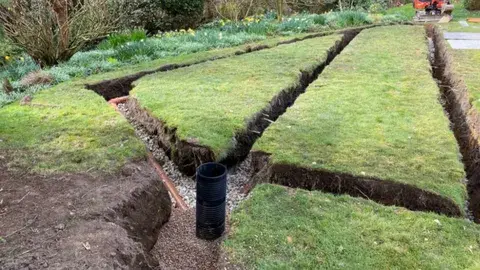
Drainage problems require particular care. Water flowing toward a house, persistent pooling, or soil washing downhill can signal a grading or runoff issue. The right response depends on the source of the water, the slope, and where runoff can safely go.
Plant health also tells us something about the site. Yellow leaves may reflect watering problems, poor drainage, nutrient issues, or seasonal changes. Replacing the plant without identifying the cause can lead to the same problem returning.
For example, imagine a front garden where the plants look unhealthy despite regular watering. If the soil remains saturated after rain, adding more water or fertilizer may make matters worse. Improving the growing conditions could be more useful than replacing every plant.
Hard surfaces deserve a similar review. Uneven pavers, slippery steps, and exposed roots can create hazards that should be addressed before adding decorative features.
What Can You Improve Yourself Before Hiring a Landscaper?
Short answer: Homeowners can start by observing sunlight, identifying persistently wet areas, removing ordinary garden debris, and deciding how the yard should function. These simple checks help clarify the project without requiring specialized equipment or changes to drainage systems.
You don't need a detailed landscape design to begin planning. Spend time outside during different parts of the day and notice which areas receive direct sunlight. This is especially useful when choosing plants for spaces between buildings or beneath mature trees.
Next, observe the ground after rainfall. Look for puddles that remain after surrounding areas have drained, soil that washes out of beds, or places where water repeatedly crosses a walkway. Record what you see rather than immediately filling low spots or redirecting runoff.
Think about the work you're willing to do throughout the year. Some homeowners enjoy pruning, weeding, and seasonal planting. Others would rather choose slower-growing plants and simpler beds that require less frequent attention.
Before discussing the project with a professional, prepare these notes:
Daily use: Decide whether you need lawn space, privacy planting, a seating area, or easier access.
Maintenance preference: Identify tasks you enjoy and those you want to minimize.
Existing features: Note mature trees, established shrubs, paths, and structures you want to retain.
Problem areas: Describe drainage, bare soil, weeds, or plants that repeatedly struggle.
This preparation makes the planning conversation more useful. It also helps distinguish genuine landscaping needs from improvements that can wait.
What Happens During a Typical Landscaping Visit?
Short answer: A landscaping visit usually begins with a property assessment, followed by a discussion of priorities and the work needed to achieve them. Installation may involve clearing, soil preparation, grading, planting, turf work, edging, or mulch, depending on the agreed scope.
The order matters. Installing plants before correcting the soil or drainage can mean repeating work that should have been completed earlier.
A typical project follows this sequence:
Assess the property. Review existing plants, access, sunlight, soil conditions, and the intended use of each area.
Define the scope. Decide which beds, lawns, paths, or drainage concerns belong in the project.
Prepare the site. Remove approved debris and unwanted vegetation, then address the necessary ground preparation.
Complete groundwork. Make agreed grading adjustments, prepare planting beds, or install other planned features.
Install landscape materials. Add plants, turf, edging, mulch, or other selected elements in the appropriate order.
Review the finished area. Check plant placement, surface condition, access, and the care instructions needed after installation.
The schedule varies with the size and complexity of the property. Refreshing a few planting beds may take considerably less time than rebuilding a sloped yard or installing extensive hardscaping.
Access also affects the work. A backyard reached through a narrow side passage may require materials to be moved by hand. Established tree roots, buried utilities, and unexpected soil conditions can create additional work.
Ask what is included in site preparation before work begins. A proposal that covers planting but excludes substantial soil correction may not deliver the result you expect.
How Does Seattle's Climate Affect Garden Design?
Short answer: Seattle's wet winters and generally drier summers call for plants suited to changing moisture levels, soil that drains appropriately, and maintenance timed to local growing conditions. A good design accounts for both seasonal rainfall and periods when supplemental watering may be necessary.
Rainfall alone doesn't determine how wet a garden stays. Soil texture, compaction, slope, shade, and nearby structures all affect how quickly water moves through the ground.
A shaded bed beneath mature trees may need plants that tolerate limited direct sunlight and competition for moisture. An exposed planting area beside a sunny driveway may become much drier during summer. Choosing plants for the actual location is more reliable than selecting them because they look attractive at a garden center.
Plant selection should also consider mature size. A shrub that fits a narrow bed today may eventually block a window or crowd a walkway. Spacing plants according to their expected growth reduces the need for repeated cutting or replacement.
Mulch can help protect soil, reduce evaporation, and limit weed growth. However, piling it against plant stems or tree trunks can trap excess moisture and encourage damage. Apply it according to the needs of the planting area.
Seasonal timing matters, too. Cool, moist periods can provide favorable conditions for establishing many plants, while summer installation may require closer watering attention. The best timing depends on the species, soil conditions, and weather forecast.
Questions Homeowners Ask About Residential Landscaping
How long does residential landscaping take?
Small projects, such as refreshing a few garden beds, may take a day or several days. Larger installations involving grading, drainage work, extensive planting, or hardscaping can take longer. Weather, access, material availability, and unexpected ground conditions all affect the schedule.
Which plants work well in Seattle gardens?
Plants suited to Seattle vary by sunlight, soil moisture, exposure, and available space. Shade-tolerant plants may suit areas beneath trees, while sun-loving species fit open beds. We recommend matching plants to the conditions of each planting area rather than choosing solely by appearance.
Can landscaping help with standing water?
Yes, landscaping can help manage some drainage problems, but the solution depends on the water source and ground conditions. Grading changes, suitable planting, or a properly designed drainage system may help. Persistent water near a foundation needs careful assessment before any soil or drainage changes are made.
Is professional landscaping necessary for a small yard?
No, a small yard doesn't automatically require professional work. Homeowners can handle straightforward planting and routine maintenance if they understand the growing conditions. Professional help becomes more useful when the property has persistent drainage problems, steep slopes, extensive ground preparation, or plans involving several connected features.
How often should a landscaped yard be maintained?
Most landscaped yards need regular observation, with watering, weeding, pruning, and lawn care adjusted to the season. Newly planted beds usually need closer attention while roots establish. Mature landscapes may need less frequent intervention, depending on plant choice, lawn size, and the amount of leaf litter.
Get Help Planning Your Seattle Landscape
A good landscaping plan should suit your property and the amount of maintenance you're prepared to handle. If you're unsure whether your yard needs new planting, soil preparation, drainage improvements, or a broader redesign, start by identifying the problems that affect its everyday use. That gives the work a clear purpose and helps you avoid spending money on changes that won't solve the underlying issue.
Economy Landscaping can discuss your residential landscaping needs in Seattle, WA, and help you consider suitable next steps for your outdoor space. Contact our team at (206) 676-2045 or email economylandscaping@businessupscaler.com to talk through your property's landscaping requirements.


Comments