
What Is Involved in Landscape Construction in Seattle, WA?
Landscape construction is much more than planting a few shrubs or installing a new lawn. It can involve grading, drainage, soil preparation, retaining structures, irrigation, planting, pathways, patios, lighting, and other features that determine how a property functions over time. In my experience, Economy Landscaping LLC homeowners get better results when they understand the construction process before choosing materials or finalizing a design. The first thing I explain is that landscape construction in seattle, wa needs to account for the property's terrain, drainage, soil, climate, access, and intended use.
Seattle's wet winters and comparatively dry summers make water management especially important. A landscape may need to move excess rainwater away from structures during the wet season while still supporting healthy plants during drier months. Construction also needs to consider existing trees, slopes, soil conditions, property boundaries, and how people will actually use outdoor spaces.
Key Takeaways
Landscape construction can include grading, drainage, planting, and hardscape installation.
Seattle's rainfall patterns make water management a major planning factor.
Soil, terrain, access, and existing vegetation affect construction decisions.
Materials should match both the property's use and local weather conditions.
Proper preparation can influence how well the finished landscape performs over time.
What Landscape Construction Actually Includes
When I think about landscape construction, I separate the work into site preparation, structural elements, planting systems, and finishing details. Each part affects the next. For example, installing a patio before resolving drainage problems can create water issues that become much harder to correct later.
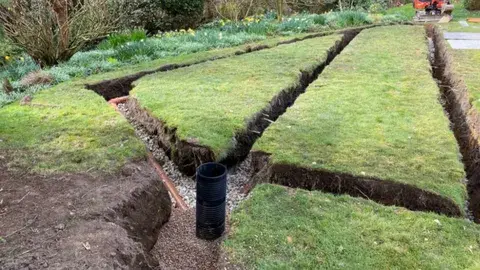
Site preparation may involve removing unwanted vegetation, clearing debris, adjusting grades, improving soil, and preparing areas for new construction. Depending on the property, excavation may be required for patios, walkways, retaining walls, drainage systems, planting beds, or other features.
Hardscape construction includes permanent or semi-permanent elements such as patios, walkways, retaining walls, steps, outdoor seating areas, and landscape borders. These features need proper foundations and appropriate materials so they can handle normal use and changing weather conditions.
Softscape work focuses on living elements such as lawns, trees, shrubs, flowers, and groundcovers. Plant selection should consider sunlight, soil, moisture, mature size, maintenance requirements, and how each plant fits with the surrounding landscape.
Why Site Preparation Comes First
I have found that the quality of site preparation often determines whether a finished landscape construction project remains functional several years later. A beautiful surface cannot compensate for unstable soil, poor grading, or water that has nowhere to go.
Grading is particularly important when a property slopes toward a house, garage, retaining wall, or neighboring property. The goal is to direct water appropriately while avoiding erosion, standing water, or damage to structures.
Soil conditions also deserve attention before planting or construction begins. Compacted soil can limit root growth and drainage, while poor soil structure can make it difficult for plants to establish. Depending on the property, amendments, topsoil, compost, or other improvements may be appropriate.
Existing trees require careful consideration as well. Construction near established root systems can affect tree health, while removing mature vegetation can change sunlight, drainage, and soil conditions across the property.
Drainage and Water Management in Seattle
Seattle receives substantial rainfall during parts of the year, which makes drainage a central concern in many landscape construction projects. I do not treat drainage as an optional finishing detail. It should be considered during the early planning stages.
A landscape may use grading, catch basins, drainage pipes, dry wells where appropriate, rain gardens, permeable surfaces, or other methods to manage water. The correct approach depends on the property's slope, soil, existing drainage, and local requirements.
I also look at where water currently collects. Puddles near foundations, soggy planting beds, eroded slopes, and water flowing across walkways can all reveal underlying drainage issues.
At the same time, Seattle's drier summer conditions mean a landscape may need irrigation planning. A well-designed system can deliver water where plants need it without unnecessarily watering pavement or other hard surfaces.
Site Preparation Priorities
Evaluate existing grades before adding structures or planting areas.
Identify standing water and erosion problems.
Test or assess soil where conditions may affect construction or plant growth.
Protect important trees and existing landscape features.
Plan drainage and irrigation before final installation.
Choosing Hardscape Materials for the Property
Material selection is one of the decisions that can strongly influence both appearance and long-term maintenance. I consider how a surface will be used before recommending a particular material.
A frequently used walkway needs a surface that handles regular foot traffic. A patio may need to accommodate furniture, gatherings, and seasonal moisture. Retaining walls need structural stability in addition to an attractive appearance.
Homeowners researching landscape design services in Seattle should also consider how different materials relate to the architecture of the property. Concrete, natural stone, pavers, brick, gravel, and other materials can create very different visual effects and maintenance requirements.
Drainage should remain part of the material decision. Impermeable surfaces can change how rainwater moves across a property, while appropriately designed permeable areas may help reduce surface runoff in suitable applications.
Cost should also be evaluated beyond the initial installation. A less expensive material may require more maintenance or replacement, while a higher initial investment may provide longer service under the right conditions.
Planting and Irrigation Are Part of Construction
Landscape construction does not end when the hardscape is installed. Planting design determines how the completed property will look and function as vegetation matures.
I recommend considering mature plant size rather than selecting plants based only on their appearance at installation. A shrub that fits perfectly into a planting bed today may crowd a walkway or window several years later if its eventual size is ignored.
Plant placement should also reflect sunlight and moisture. Plants that need full sun should not be placed where nearby structures or mature trees will eventually shade them. Similarly, plants with different water requirements should not automatically share the same irrigation zone.
Irrigation can be designed around plant groupings, lawn areas, and exposure. Proper zoning allows watering to be adjusted according to actual landscape needs rather than treating the entire property as one uniform area.
Mulch is another practical finishing material. It can help moderate soil temperature, reduce evaporation, and limit weed growth, but it should be installed at an appropriate depth and kept away from direct contact with tree trunks and plant stems.
Considerations Before Starting a Construction Project
Before approving a landscape construction plan, I would first establish the property's main purpose. Is the goal to create an entertaining area, improve drainage, increase usable yard space, add privacy, make maintenance easier, or combine several objectives?
Budget is another major decision factor. Homeowners should distinguish between essential site work and optional features. Correcting drainage or unstable grades may take priority over decorative additions because those underlying issues can affect the performance of everything installed afterward.
Access is easy to overlook. Equipment, materials, soil, stone, and construction debris all need a route into and out of the property. Narrow gates, steep driveways, fences, and neighboring structures can affect the logistics and cost of construction.
I also recommend checking applicable local requirements before construction begins. Certain projects involving grading, retaining structures, drainage, trees, or property boundaries may have specific rules or approval requirements.
Building Outdoor Spaces for Long-Term Use
A landscape should work for the people using it, not simply look attractive immediately after installation. I consider how families move through the property, where furniture will sit, how maintenance equipment will access lawns, and whether the space needs to accommodate children, pets, guests, or aging homeowners.
Walkway placement is one example. A path that looks natural on a drawing may not be the route people actually use. I prefer to consider existing movement patterns and connect frequently used areas logically.
Retaining walls and steps should also be planned with future use in mind. Changes in grade can affect accessibility, drainage, maintenance, and safety. These elements should be designed as functional parts of the property rather than decorative additions.
Outdoor lighting can extend the usefulness of patios, pathways, and gathering areas after sunset. It can also improve visibility around steps and transitions between different elevations.
Long-Term Planning Factors
Design around how the property will actually be used.
Consider mature plant sizes before selecting planting locations.
Allow maintenance equipment to reach lawn and planting areas.
Plan pathways around natural movement patterns.
Evaluate future accessibility and changing household needs.
Common Questions About Landscape Construction
Landscape construction often raises questions about how much work should happen at once. In my experience, projects tend to run more smoothly when structural work, drainage, soil preparation, irrigation, and planting are coordinated rather than treated as unrelated jobs.
Homeowners also frequently ask whether they should renovate the entire yard or complete it in stages. Both approaches can work. A phased project may make sense when the budget is limited, while a larger project can sometimes be more practical when major grading or drainage work affects several areas at once.
Another common question involves maintenance after construction. Even a well-built landscape needs ongoing care. Irrigation adjustments, pruning, lawn maintenance, drainage inspections, and seasonal cleanup all contribute to how well the finished space performs.
Frequently Asked Questions
What does landscape construction include?
Landscape construction can include site clearing, grading, drainage, soil preparation, irrigation, planting, patios, walkways, retaining walls, steps, lighting, and other outdoor improvements. The exact scope depends on the property's needs.
How long does a landscape construction project take?
The timeline depends on project size, weather, site conditions, materials, access, and the number of construction elements involved. A simple installation may take days, while a larger property transformation can require several weeks or more.
Is drainage necessary for every Seattle landscape project?
Not every property needs a new drainage system, but drainage should always be evaluated. Seattle's wet conditions can expose grading and runoff problems that may affect lawns, planting beds, structures, and hardscape surfaces.
Should landscaping or hardscaping be installed first?
Structural work and site preparation generally need to happen before final planting. Grading, drainage, excavation, and hardscape installation can disturb soil, so completing those stages first helps protect newly installed vegetation.
What should homeowners consider before hiring a landscape construction professional?
I recommend reviewing the project's scope, site conditions, drainage needs, materials, access requirements, timeline, maintenance expectations, and applicable local requirements. A clear plan makes it easier to compare proposals and understand what the project involves.
Final Thoughts
I see landscape construction as a combination of planning, site preparation, structural work, and living elements. The best results come from considering how all of those pieces interact rather than choosing individual features independently.
For Seattle properties, rainfall, drainage, soil, terrain, and seasonal changes deserve particular attention. A patio, retaining wall, planting bed, or lawn can look excellent at completion, but its long-term performance depends heavily on what happened underneath and around it during construction.
A thoughtful approach to landscape construction in seattle, wa starts with the property itself. Once the site's conditions, intended use, access, budget, and maintenance expectations are understood, homeowners can make more informed choices about materials, planting, drainage, irrigation, and outdoor features.
Plan a Landscape Construction Project
If you're considering a landscape construction project, contact the landscaping team to discuss your property's goals, existing conditions, drainage, access, and desired improvements. Sharing details about the yard and the features you want to add can help establish a realistic project scope. Whether the priority is better drainage, a usable patio, improved planting areas, new walkways, or a broader outdoor renovation, a thoughtful assessment can help determine the right sequence of work and the materials suited to the property.

Comments